 FoodGuardINDIA
This instant pasta relies heavily on refined flour (maida) and palm oil, while also incorporating hydrogenated vegetable oil, added sugars, and flavor enhancers like 627 and 631. It prioritizes convenience over nutritional quality.
Worth a closer look 6
Allowed in India, but better eaten less often.
-
Worth limitingRefined SugarIt provides empty calories and causes rapid spikes in blood sugar levels.
-
Worth limitingRefined Wheat Flour MaidaThis is a highly processed flour stripped of fiber and nutrients, leading to rapid blood sugar spikes.
-
Worth limitingRefined Palm OilHigh in saturated fats and often processed at high temperatures.
-
Worth limitingHydrogenated Vegetable OilThis process can create trans fats, which are strongly linked to heart disease and inflammation.
-
Worth limitingFlavour Enhancers (INS 627) INS 627It is often used with MSG to boost savory flavor; people with gout should avoid it.
-
Worth limitingFlavour Enhancers (INS 631) INS 631Like other nucleotides, it can increase uric acid levels and should be avoided by those with gout.
The rest check out 20
Tap one to see why.
Pasta: Wheat Semolina Suji
It is a refined grain product that lacks the fiber and nutrients of whole wheat, leading to a faster spike in blood sugar.
Milk Solids
A standard dairy-derived ingredient.
INS 339(ii)
Generally safe in small amounts, but excessive intake of phosphate additives can impact kidney health.
INS 339(iii)
While generally safe, excessive intake of phosphate additives can disrupt the body's calcium-phosphorus balance.
Iodized Salt
Essential for preventing iodine deficiency, though total sodium intake should be monitored.
Wheat Gluten
It is a natural protein found in wheat, generally safe unless you have celiac disease or gluten sensitivity.
Thickener (INS 412)
It is a natural fiber derived from the guar bean, used to thicken food.
Stabilizers
Stabilizers are generally safe food additives used to maintain the texture and consistency of processed foods, though they indicate a highly processed product.
INS 170(i)
This is a naturally occurring mineral that is generally considered safe for consumption.
INS 450(iii)
It is a common food additive used to maintain texture, though it contributes to total dietary phosphate load.
INS 452(i)
Used to retain moisture and texture, but like other phosphates, it should be consumed in moderation.
INS 501(i)
Used to adjust acidity and improve the texture of noodles and other starches.
INS 500(i)
Commonly known as soda ash, it is used to control acidity and texture in food.
Spices
Spices are natural plant-based ingredients that add flavor without significant health risks.
Condiments
This is a vague term that usually refers to a blend of spices, salt, and sugar, which may vary in quality.
Hydrolyzed Vegetable Protein
It is a flavor enhancer often used to mimic savory meat flavors, but it is highly processed and high in sodium.
Dehydrated Onion
This is a whole vegetable that has been dried, retaining its nutritional profile.
Dehydrated Garlic
This is a processed form of a whole vegetable, retaining most of its nutritional value.
Acidity Regulator (INS 330)
This is a natural acid found in citrus fruits and is completely safe.
Dehydrated Fenugreek Leaves
This is a natural, whole herb used for flavoring that is nutritionally neutral or beneficial.
Read more
Higher-scoring options
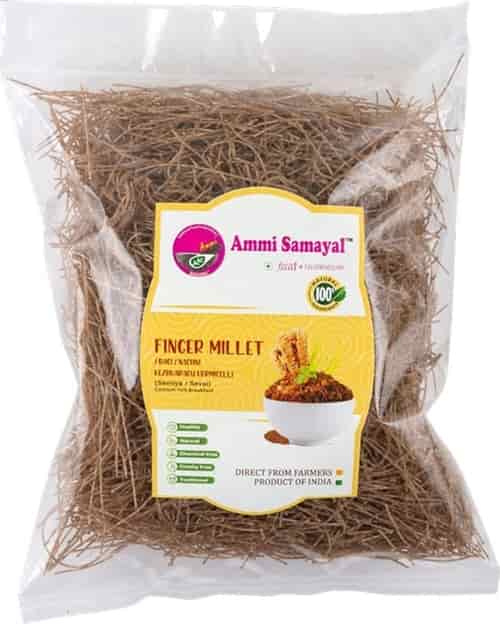
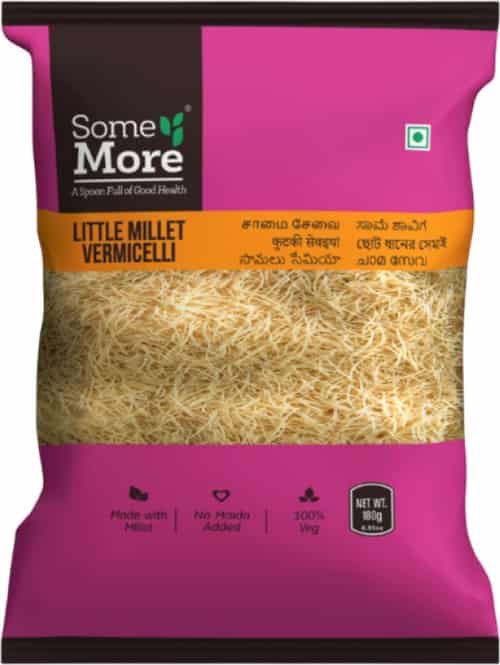
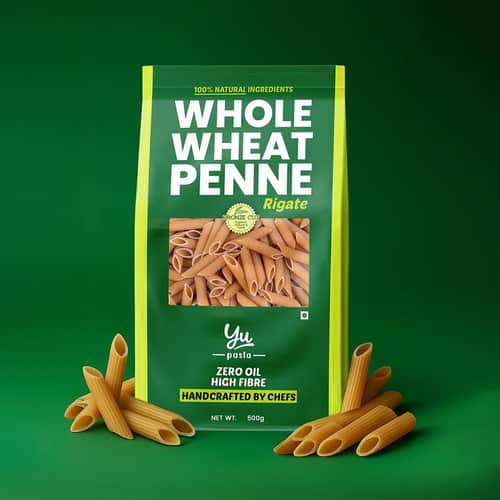
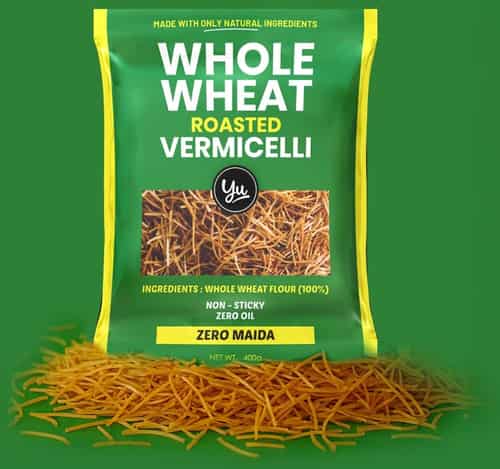
This score rates the ingredient list using our published method and public sources (FSSAI, EFSA, WHO). It is general information, not medical advice, and does not mean the product is unsafe — products sold in India meet FSSAI rules. Recipes change: check the pack in your hand. Brand owner? Write to hello@foodguards.space.