 FoodGuardINDIA
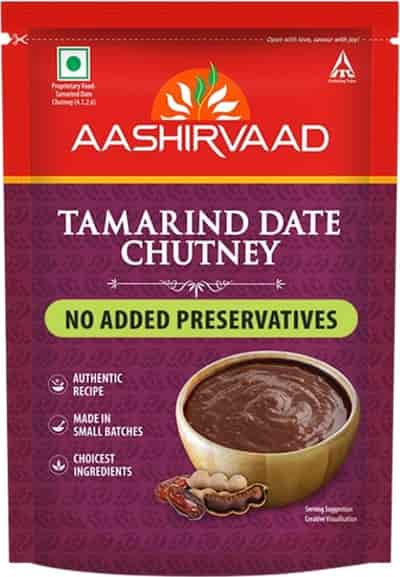
This chutney balances the classic tang of tamarind and ginger with a fair amount of refined sugar and preservatives like INS 211 and colour INS 150c. It's a convenient pantry staple for adding zest to snacks.
Worth a closer look 3
Allowed in India, but better eaten less often.
-
Worth limitingRefined SugarIt provides empty calories and causes rapid spikes in blood sugar levels.
-
Worth limitingPreservative (INS 211) INS 211While permitted, it is a synthetic preservative that can form benzene, a known carcinogen, when combined with vitamin C in acidic conditions.
-
Worth limitingColour (INS 150c) INS 150cThis caramel color is produced using ammonia and may contain trace contaminants.
The rest check out 11
Tap one to see why.
Water
Water is essential for life and has no negative nutritional impact.
Tamarind
Tamarind is a whole, natural fruit pulp used as a traditional souring agent and is nutritionally beneficial.
Mixed Spices
These are natural plant-based ingredients used for flavoring, generally healthy.
Black Salt
It is a traditional mineral salt, though it should be consumed in moderation due to sodium content.
Acidity Regulator (INS 260)
This is simply vinegar, which is completely safe for consumption.
Dehydrated Ginger Powder
This is a natural, dried spice with no safety concerns.
Thickeners (INS 1422)
This is a modified food starch that is generally considered safe for consumption.
Thickeners (INS 415)
It is a natural gum produced by fermenting sugar, commonly used to thicken food.
Preservatives (INS 202)
This is a widely used preservative that prevents mold and yeast growth, generally considered safe.
Dehydrated Garlic Powder
This is simply dried garlic, which is a safe and natural ingredient.
Proprietary Food 4.1.2.6
This is a regulatory classification code for a category of food products under FSSAI regulations, not a specific ingredient.
Higher-scoring options

This score rates the ingredient list using our published method and public sources (FSSAI, EFSA, WHO). It is general information, not medical advice, and does not mean the product is unsafe — products sold in India meet FSSAI rules. Recipes change: check the pack in your hand. Brand owner? Write to hello@foodguards.space.