 FoodGuardINDIA
Not the healthiest option on the shelf, but not the worst either — Sugar, Maltodextrin, Antioxidant (INS 319) are doing a lot of the work here instead of real ingredients.
Worth a closer look 3
Allowed in India, but better eaten less often.
-
Worth limitingSugarExcessive consumption is linked to metabolic health issues.
-
Worth limitingMaltodextrin INS 1400It is a highly processed carbohydrate that spikes blood sugar levels rapidly, similar to table sugar.
-
Worth limitingAntioxidant (INS 319) INS 319There is ongoing debate regarding its safety at high doses, with some studies suggesting potential long-term health risks.
The rest check out 9
Tap one to see why.
Corn Flour
Corn flour is a refined starch used as a thickener; it lacks the fiber and nutrients of whole corn.
Edible Vegetable Oil Rice Bran Oil
While generally considered a healthier cooking oil due to its high smoke point and oryzanol content, it is still a processed fat.
Cheese Powder
It is a processed dairy product that is generally safe but often high in sodium and saturated fats.
Iodised Salt
Essential for preventing iodine deficiency disorders.
Natural and Nature Identical Flavouring Substances
These are standard industry additives used to enhance taste, generally recognized as safe by food authorities.
Dextrose
This is a simple sugar that causes rapid spikes in blood glucose levels.
Anticaking Agent (INS 551)
It is a common mineral used to keep powders flowing freely and is not absorbed by the body.
Gram Flour
It is a nutritious, gluten-free flour made from ground chickpeas.
Anticaking Agent (INS 170)
This is a naturally occurring mineral and is considered safe.
Read more
Higher-scoring options
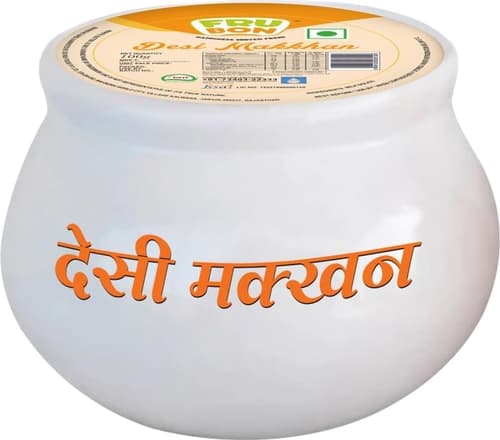
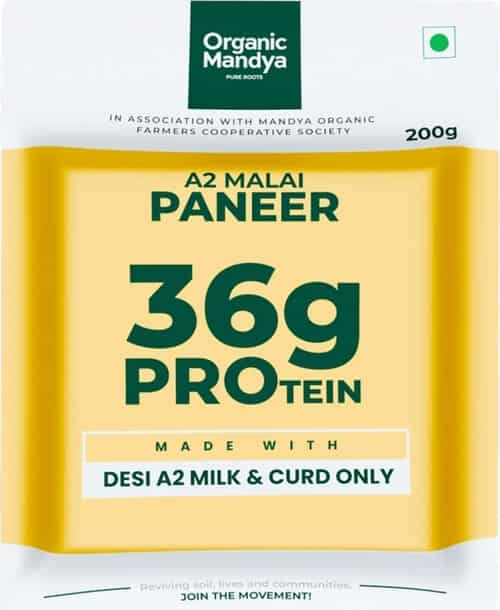
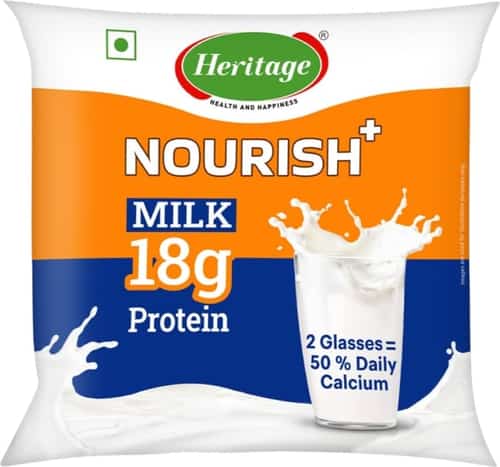
This score rates the ingredient list using our published method and public sources (FSSAI, EFSA, WHO). It is general information, not medical advice, and does not mean the product is unsafe — products sold in India meet FSSAI rules. Recipes change: check the pack in your hand. Brand owner? Write to hello@foodguards.space.