 FoodGuardINDIA
These instant noodles rely on refined wheat flour (maida) and contain TBHQ (INS 319) as a preservative. While convenient, the mix of added sugar and processed flour makes this a snack best enjoyed in moderation.
Worth a closer look 3
Allowed in India, but better eaten less often.
-
Worth limitingNoodles: Refined Wheat Flour MaidaThis is a highly processed flour stripped of fiber and nutrients, leading to rapid blood sugar spikes.
-
Worth limitingSugarExcessive consumption is linked to metabolic health issues.
-
Worth limitingAntioxidants (INS 319) INS 319There is ongoing debate regarding its safety at high doses, with some studies suggesting potential long-term health risks.
The rest check out 17
Tap one to see why.
Edible Vegetable Oil Rice Bran Oil
While generally considered a healthier cooking oil due to its high smoke point and oryzanol content, it is still a processed fat.
Iodized Salt
Essential for preventing iodine deficiency, though total sodium intake should be monitored.
Gelling Agent (INS 508)
Often used as a salt substitute to reduce sodium content while maintaining flavor.
Sequestrant (INS 451(i))
It is a common food additive used to retain moisture and texture, generally recognized as safe.
Acidity Regulator (INS 500(i))
Commonly known as soda ash, it is used to control acidity and texture in food.
Thickener (INS 412)
It is a natural fiber derived from the guar bean, used to thicken food.
Seasoning Mix: Iodized Salt
Iodized salt is a standard seasoning that provides essential iodine, though it should be consumed in moderation to manage sodium intake.
Spices And Condiments Contains Onion
This is a standard culinary ingredient group that is generally safe and natural.
Corn Starch
It is a refined carbohydrate used as a thickener that lacks significant nutrients.
Refined Wheat Flour
It is nutritionally stripped of fiber and essential nutrients during processing, leading to rapid blood sugar spikes.
Hydrolysed Groundnut Protein
It is a processed protein source used for flavor enhancement, generally safe but an allergen.
Acidity Regulator (INS 330)
This is a natural acid found in citrus fruits and is completely safe.
Yeast Extract
It is a natural flavor enhancer, though it is high in sodium.
Anticaking Agent (INS 551)
It is a common mineral used to keep powders flowing freely and is not absorbed by the body.
Identical Flavouring Substances
These are chemically identical to natural flavors but synthesized in a lab, making them safe for consumption.
Antioxidants (INS 300)
This is Vitamin C, which is essential for health and completely safe.
Used As Natural Flavouring Agent
This is a generic label term for substances derived from natural sources to enhance taste, generally considered safe but nutritionally neutral.
Higher-scoring options
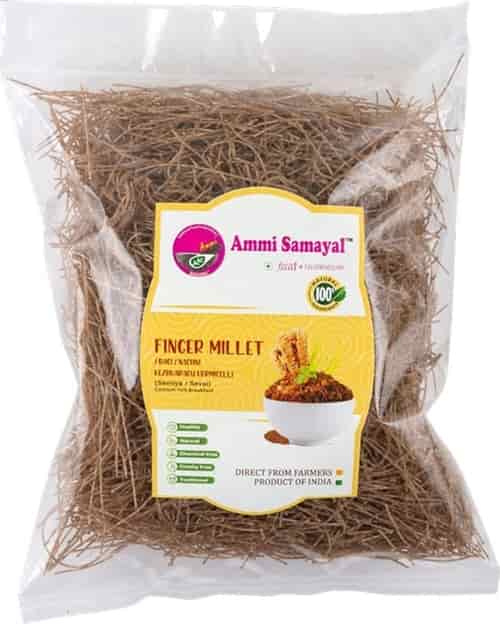
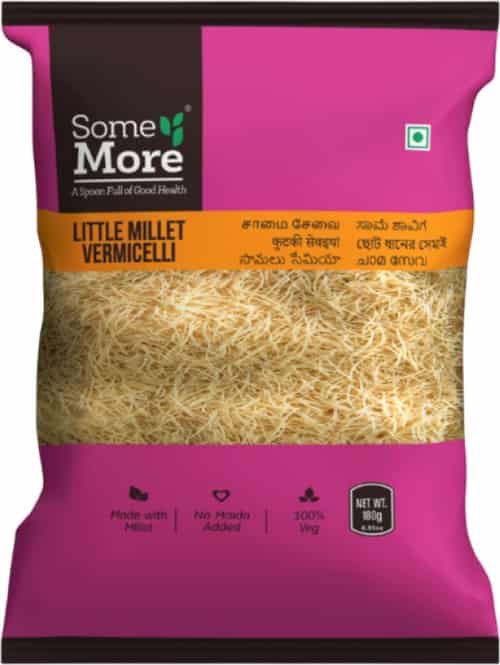
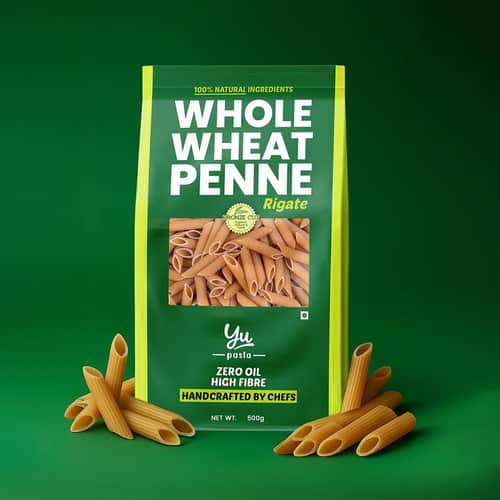
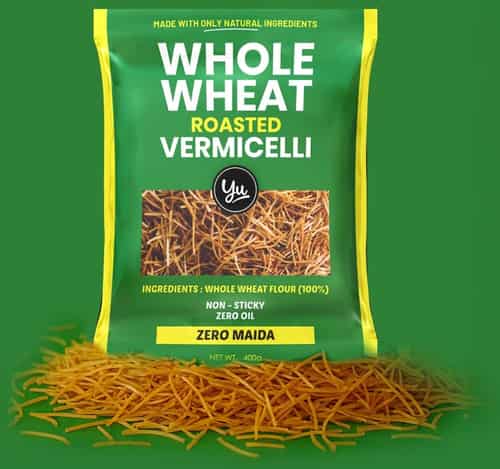
This score rates the ingredient list using our published method and public sources (FSSAI, EFSA, WHO). It is general information, not medical advice, and does not mean the product is unsafe — products sold in India meet FSSAI rules. Recipes change: check the pack in your hand. Brand owner? Write to hello@foodguards.space.