 FoodGuardINDIA
Not the healthiest option on the shelf, but not the worst either — Natural Colour (INS 150d), Preservative (INS 211) are doing a lot of the work here instead of real ingredients.
Worth a closer look 2
Allowed in India, but better eaten less often.
-
Worth limitingNatural Colour (INS 150d) INS 150dThis caramel color is produced using ammonia and sulfites, which can form potentially harmful byproducts.
-
Worth limitingPreservative (INS 211) INS 211Sodium benzoate is a common preservative that can form small amounts of benzene, a carcinogen, when combined with Vitamin C in acidic conditions.
The rest check out 12
Tap one to see why.
Water
Water is essential for life and has no negative nutritional impact.
Acetic Acid (INS 260)
This is simply vinegar, which is completely safe for consumption.
Liquid Glucose
It is a highly processed sweetener that causes rapid spikes in blood glucose levels.
Lodised Salt
It is a necessary dietary staple fortified to prevent iodine deficiency, though total sodium intake should be monitored.
Spices
Spices are natural plant-based ingredients that add flavor without significant health risks.
Condiments
This is a vague term that usually refers to a blend of spices, salt, and sugar, which may vary in quality.
Refined Soyabean Oil
It is a highly processed vegetable oil that lacks the nutrients found in whole food sources.
Bhut Jolokia
This is a natural, whole chili pepper used as a spice and is generally safe for consumption in moderation.
Sesame Seeds
Sesame seeds are a whole food rich in healthy fats and minerals.
Stabilizers (INS 1422)
This is a modified food starch that is generally considered safe for consumption.
Stabilizers (INS 415)
It is a natural gum produced by fermenting sugar, commonly used to thicken food.
Natural Flavouring Substances
Similar to natural flavours, these are derived from natural sources and are generally safe.
Higher-scoring options
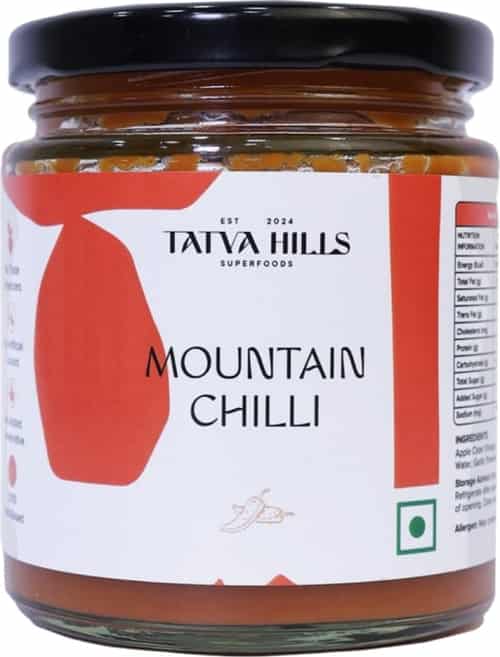

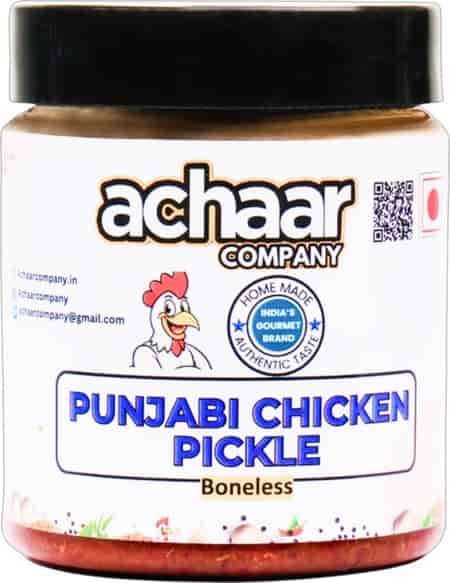
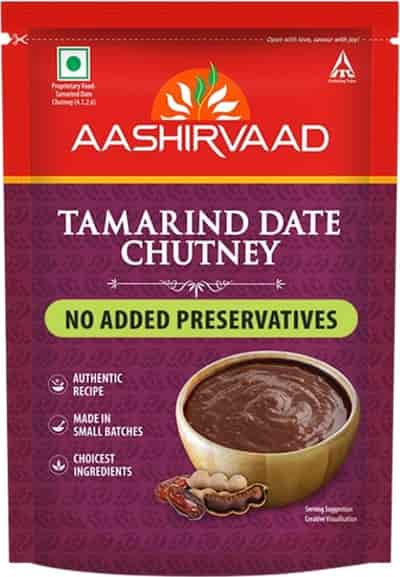
This score rates the ingredient list using our published method and public sources (FSSAI, EFSA, WHO). It is general information, not medical advice, and does not mean the product is unsafe — products sold in India meet FSSAI rules. Recipes change: check the pack in your hand. Brand owner? Write to hello@foodguards.space.