 FoodGuardINDIA
This amla juice blends traditional herbal extracts like ginger and tulsi, but it relies on preservatives like Sodium Benzoate to keep it shelf-stable. It’s essentially a fortified herbal concentrate rather than pure, fresh-pressed fruit juice.
Worth a closer look 1
Allowed in India, but better eaten less often.
-
Worth limitingSodium Benzoate (INS 211) INS 211Sodium benzoate is a common preservative that can form small amounts of benzene, a carcinogen, when combined with Vitamin C in acidic conditions.
The rest check out 10
Tap one to see why.
Fresh Amla Juice
This is a whole, nutrient-dense fruit juice rich in Vitamin C and antioxidants.
Amla Pulp/extract
This is a concentrated form of a healthy, whole fruit.
Lemon Juice
It is a natural, whole food ingredient that provides flavor and acidity without significant health risks.
Ginger Juice
This is a natural, whole-food ingredient derived from fresh ginger root.
Tulsi Extract
This is a natural herbal extract widely recognized for its health-promoting properties.
Honey/sorbitol
While honey is natural, sorbitol is a sugar alcohol that can cause digestive discomfort in large amounts.
Citric Acid (INS 330)
This is a natural acid found in citrus fruits and is completely safe.
Potassium Sorbate (INS 202)
This is a widely used preservative that prevents mold and yeast growth, generally considered safe.
Ascorbic Acid (INS 300)
This is Vitamin C, which is essential for health and completely safe.
Purified Water Ro
This is simply clean water processed through reverse osmosis.
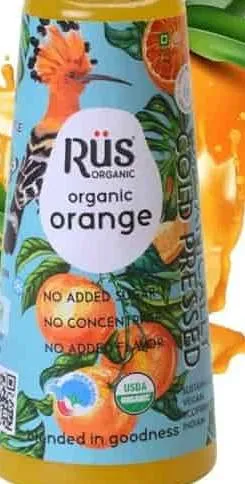
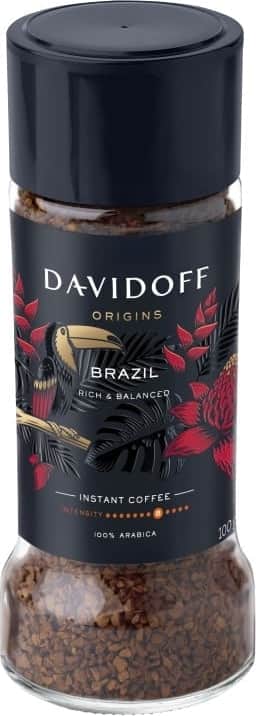
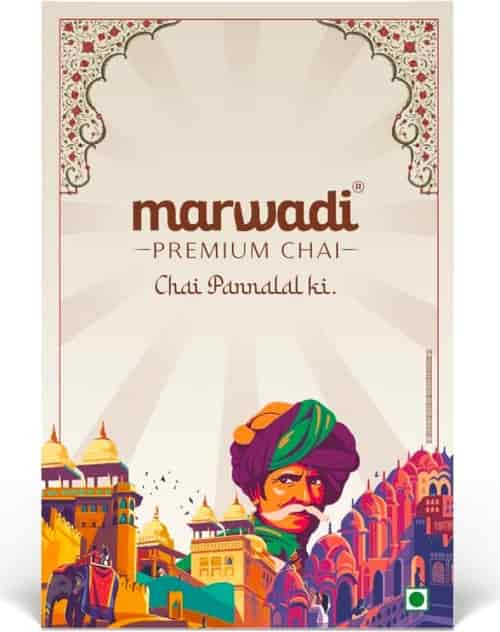
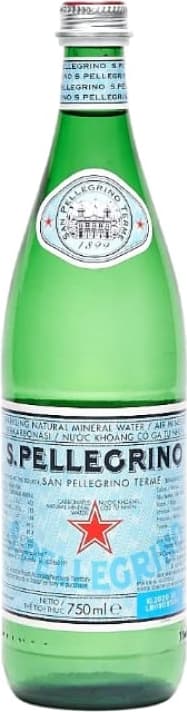
Higher-scoring options
This score rates the ingredient list using our published method and public sources (FSSAI, EFSA, WHO). It is general information, not medical advice, and does not mean the product is unsafe — products sold in India meet FSSAI rules. Recipes change: check the pack in your hand. Brand owner? Write to hello@foodguards.space.