 FoodGuardINDIA
While this noodle pack avoids harmful additives, it relies heavily on salt, sugar, flavour enhancers like INS 627 and 631, hydrolysed vegetable protein, and natural colour INS 150d. It's a processed choice with a moderate score.
Worth a closer look 6
Allowed in India, but better eaten less often.
-
Worth limitingSaltExcessive intake is linked to high blood pressure and heart disease, making it a nutritional concern.
-
Worth limitingSugarExcessive consumption is linked to metabolic health issues.
-
Worth limitingHydrolysed Vegetable Protein SoyaIt is a highly processed flavor enhancer that often contains high levels of sodium and potentially free glutamates.
-
Worth limitingFlavour Enhancer (INS 627) INS 627It is often used with MSG to boost savory flavor; people with gout should avoid it.
-
Worth limitingFlavour Enhancer (INS 631) INS 631Like other nucleotides, it can increase uric acid levels and should be avoided by those with gout.
-
Worth limitingNatural Colour (INS 150d) INS 150dThis caramel color is produced using ammonia and sulfites, which can form potentially harmful byproducts.
The rest check out 29
Tap one to see why.
Instant Noodles: Whole Wheat Flour
This is a whole grain ingredient containing fiber and nutrients, making it a healthier base than refined flour.
Split Moong Beans Flour Moong Dal
A nutrient-dense, plant-based protein source that is minimally processed.
Oats Flour
A whole grain ingredient rich in beta-glucan fiber, which is beneficial for heart health.
Brown Rice Flour
A gluten-free whole grain flour that retains the bran and germ for better nutritional value than white rice flour.
Gluten
Gluten is a natural protein found in wheat, safe for most people but harmful to those with celiac disease.
Tapioca Starch
It is a refined carbohydrate used as a thickener that provides calories but lacks significant fiber or nutrients.
Jowar Flour
This is a whole grain flour that is highly nutritious and rich in fiber.
Stabilizer Xanthan Gum
A common food additive used to improve texture; generally considered safe but highly processed.
Spices
Spices are natural plant-based ingredients that add flavor without significant health risks.
Onion
This is a whole, natural vegetable that provides essential nutrients and fiber.
Garlic
This is a whole vegetable used as a natural flavoring agent.
Cumin
This is a whole, natural spice with beneficial properties.
Coriander
This is a whole, natural spice with no negative health impact.
Turmeric
This is a natural root spice with well-documented health benefits and no safety concerns.
Chilli
This is a whole, natural spice used for flavor and heat.
Iodised Salt
Essential for preventing iodine deficiency disorders.
Corn Starch
It is a refined carbohydrate used as a thickener that lacks significant nutrients.
Carrot
It is a whole vegetable packed with vitamins and antioxidants.
Peas
This is a whole, unprocessed vegetable that provides fiber, protein, and essential vitamins.
Yeast Extract Powder
It is a natural flavor enhancer often used to provide a savory umami taste, though it is high in sodium.
Tomato Powder
This is simply dehydrated tomato, which is a whole-food ingredient.
Tamarind Powder
This is a natural, whole-food ingredient derived from the tamarind fruit, providing flavor without negative health impacts.
Milk Solids
A standard dairy-derived ingredient.
Natural & Nature Identical Flavouring Substances
These are standard additives used to enhance taste; they are safe but indicate a processed product.
Anticaking Agent Silicon Dioxide
Used to prevent clumping in powders; it is inert and passes through the body without being absorbed.
Acidity Regulator Citric Acid
Citric acid is a common organic acid found naturally in citrus fruits and is safe for consumption.
Guar Gum
A natural fiber derived from guar beans used to thicken food; generally safe.
Xanthan Gum
A common food additive used to improve texture; generally considered safe but highly processed.
Added Flavours Natural & Nature Identical Flavouring Substances
These are standard additives used to enhance taste; they are safe but indicate a processed product.
Higher-scoring options
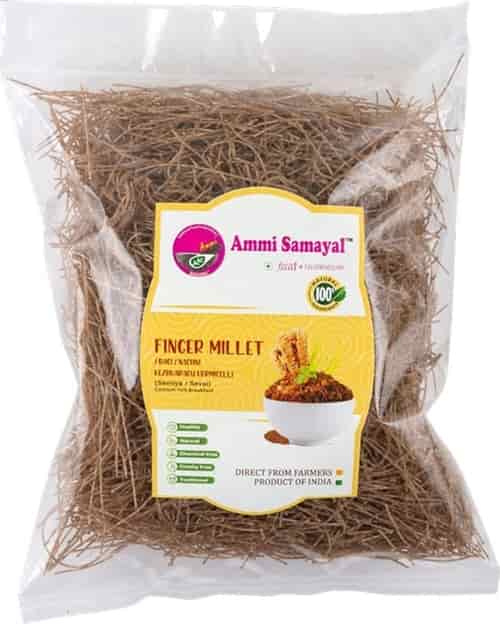
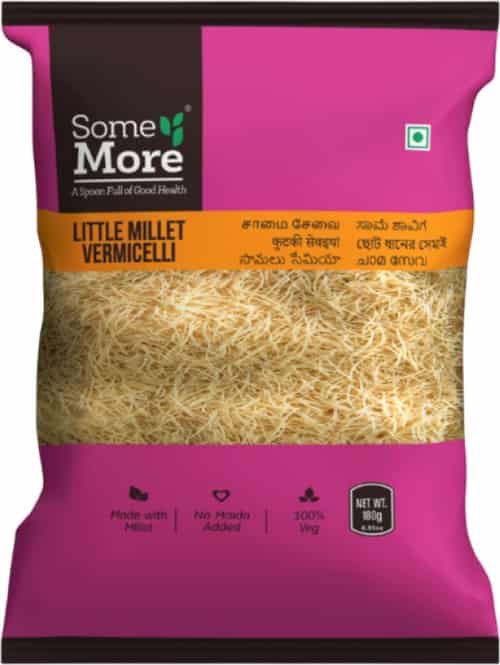
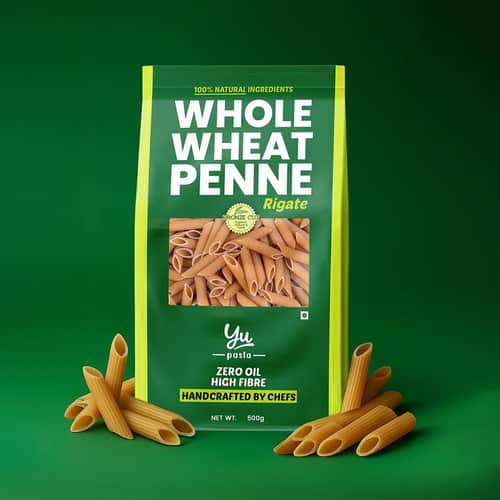
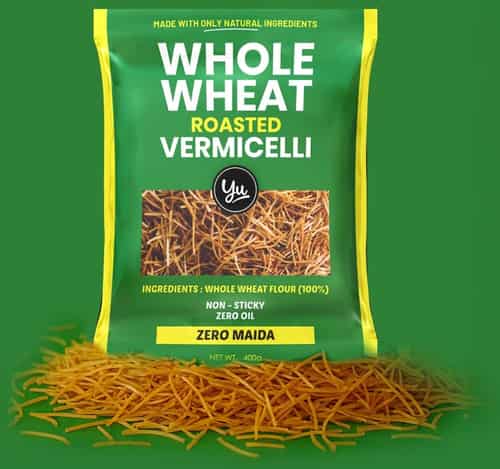
This score rates the ingredient list using our published method and public sources (FSSAI, EFSA, WHO). It is general information, not medical advice, and does not mean the product is unsafe — products sold in India meet FSSAI rules. Recipes change: check the pack in your hand. Brand owner? Write to hello@foodguards.space.