 FoodGuardINDIA
This snack cake is packed with sugar and relies on bakery shortening and multiple artificial raising agents to achieve its texture. It's a highly processed treat that offers very little nutritional value.
Worth a closer look 3
Allowed in India, but better eaten less often.
-
Worth limitingSugarExcessive consumption is linked to metabolic health issues.
-
Worth limitingRaising Agents (INS 541) INS 541This additive is restricted or banned in many regions due to concerns about aluminium accumulation in the body.
-
Worth limitingBakery ShorteningIt is often made from highly processed fats that may contain trans fats, which are linked to heart disease.
The rest check out 32
Tap one to see why.
Wheat Flour
Unless specified as 'whole wheat', this is often refined (maida), which lacks fiber and has a high glycemic impact.
Cocoa Solids
This is a natural component of the cocoa bean and is generally considered a healthy, antioxidant-rich ingredient.
Milk Solids
A standard dairy-derived ingredient.
Emulsifiers (INS 471)
These are common fats found in many foods and are harmless.
Emulsifiers (INS 477)
This is a standard food-grade emulsifier used to stabilize fats and oils in processed foods.
Emulsifiers (INS 322)
It is a widely used, generally safe emulsifier derived from natural sources like soy or sunflower that helps mix oil and water.
Raising Agents (INS 500(ii))
This is standard baking soda, used to help dough rise.
Raising Agents (INS 341(i))
This is a common leavening agent and acidity regulator that is safe.
Dextrose
This is a simple sugar that causes rapid spikes in blood glucose levels.
Corn Starch
It is a refined carbohydrate used as a thickener that lacks significant nutrients.
Edible Common Salt
While essential for health, excessive intake is linked to high blood pressure and heart issues.
Stabilizer (INS 415)
It is a natural gum produced by fermenting sugar, commonly used to thicken food.
Water
Water is essential for life and has no negative nutritional impact.
Sunflower Oil
It is a common vegetable oil that is generally safe but high in omega-6 fatty acids, which can be inflammatory if consumed in excess.
Humectant (INS 422)
It is a simple compound used to keep food moist and smooth.
Milk Solid
Milk solids are a concentrated form of milk, generally safe but highly processed and often used to replace fresh milk.
Cake Gel (INS 1520)
While generally safe, it is a synthetic solvent that some people prefer to avoid in large quantities.
Cake Gel (INS 420)
It is a sugar alcohol used to retain moisture, which can cause digestive issues in sensitive individuals.
Cake Gel (INS 412)
It is a natural fiber derived from the guar bean, used to thicken food.
Artificial Flavouring Substances
These are synthetic chemicals not found in nature, used to enhance taste in processed foods.
Acidity Regulator (INS 260)
This is simply vinegar, which is completely safe for consumption.
Acidity Regulator (INS 330)
This is a natural acid found in citrus fruits and is completely safe.
Baking Powder
It is a standard leavening agent used in baking that is considered safe for consumption.
Preservative (INS 200)
It is a widely used and generally safe preservative that prevents mold and yeast growth.
Preservative (INS 282)
A common preservative used to prevent mold growth in baked goods.
Protease (INS 1101(i))
This is a natural enzyme used to break down proteins and is safe.
Filling : Liquid Glucose
It is a highly refined sugar syrup that provides sweetness and texture but lacks nutritional value and causes rapid blood sugar spikes.
Hazelnut Paste
Hazelnut paste is simply ground hazelnuts, though it is often found in products with high added sugar.
Corn Flour
Corn flour is a refined starch used as a thickener; it lacks the fiber and nutrients of whole corn.
Thickener (INS 440)
It is a natural fiber found in fruits and is completely harmless.
Preservative (INS 202)
This is a widely used preservative that prevents mold and yeast growth, generally considered safe.
Firming Agent (INS 509)
Used to firm up vegetables and fruits in canned goods.
Higher-scoring options
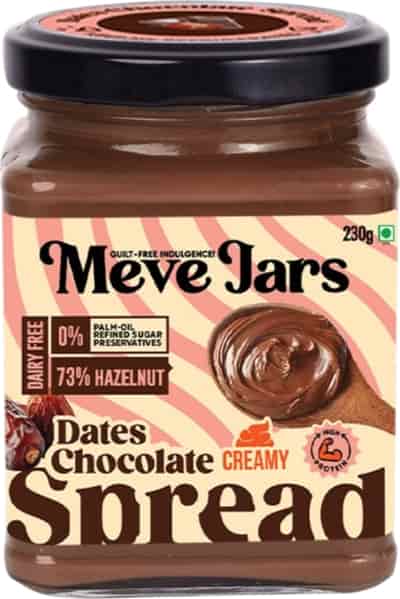
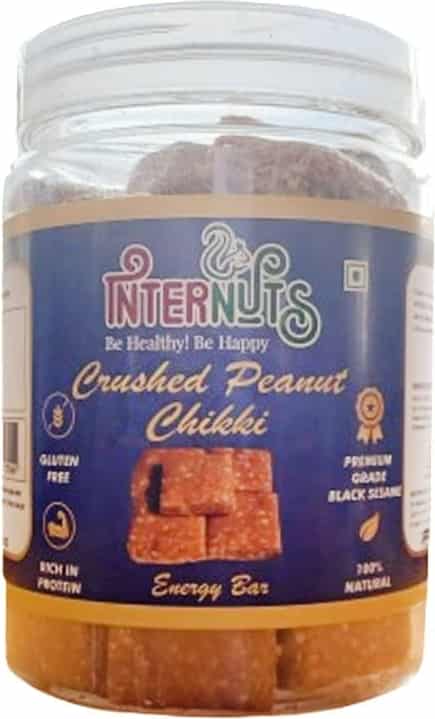
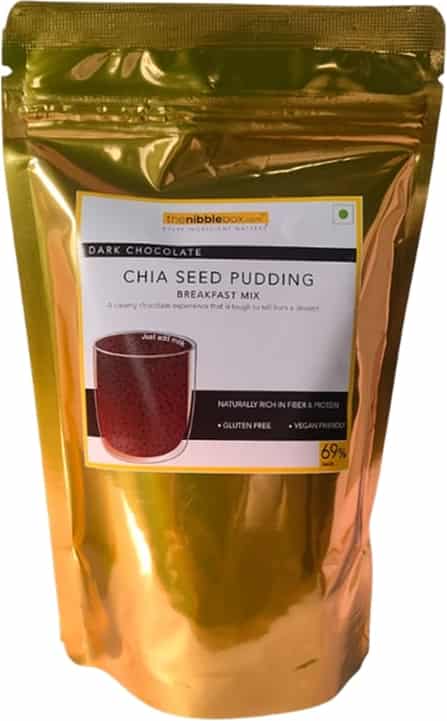

This score rates the ingredient list using our published method and public sources (FSSAI, EFSA, WHO). It is general information, not medical advice, and does not mean the product is unsafe — products sold in India meet FSSAI rules. Recipes change: check the pack in your hand. Brand owner? Write to hello@foodguards.space.